
Ledger.com/Start® | Getting started — Ledger Support
Learn the basics of Ledger wallet setup through Ledger.com/start, with practical guidance for preparing your device, accessing Ledger Live, managing accounts, and following essential security measures.
Ledger.com/start Guide: How to Set Up Your Ledger Wallet Safely
Getting started with a hardware wallet does not have to be complicated. With the right instructions, you can prepare your Ledger device, connect it to the appropriate software, and establish a secure way to manage your digital assets. Ledger.com/start is a useful starting point for users looking for information about Ledger wallet setup and device initialization.
A hardware wallet is designed to keep sensitive wallet operations isolated from everyday online activity. However, the security of your setup also depends on how carefully you handle your device, PIN, recovery information, and wallet software. Taking a few extra minutes during the initial setup can make a significant difference later.
Understanding Ledger.com/start
Ledger.com/start refers to the setup starting point associated with Ledger devices. New users can use the official Ledger resources to learn about preparing a device and connecting it with Ledger's companion software.
The setup process generally involves several stages, including device initialization, PIN creation, recovery backup, software installation, and account configuration. Each stage has an important security purpose, so rushing through the process is not recommended.
Before entering any sensitive information, make sure that you are visiting the legitimate Ledger website. Fake websites can closely resemble genuine cryptocurrency services and may attempt to trick users into revealing wallet information.
What You Need Before Setting Up
Before beginning your Ledger wallet setup, keep your hardware wallet nearby and use a trusted computer or compatible mobile device. Choose a private environment where you can complete the process without other people seeing your screen or recovery information.
You should also understand the purpose of your Secret Recovery Phrase. This backup information can be used to restore access to a wallet under appropriate recovery circumstances. Because of its importance, it should receive the same level of protection as a master key.
Do not store your recovery phrase in screenshots, cloud storage, email, messaging applications, or ordinary computer files. Keeping it offline reduces the possibility of it being exposed through an online account or compromised device.
Steps to Complete a Ledger Wallet Setup
Start With the Official Website
Open your browser and manually enter the official Ledger website address rather than clicking an unexpected setup link. Check the spelling and domain carefully before proceeding.
This simple habit can help you avoid phishing pages that imitate legitimate cryptocurrency websites.
Install the Appropriate Ledger Software
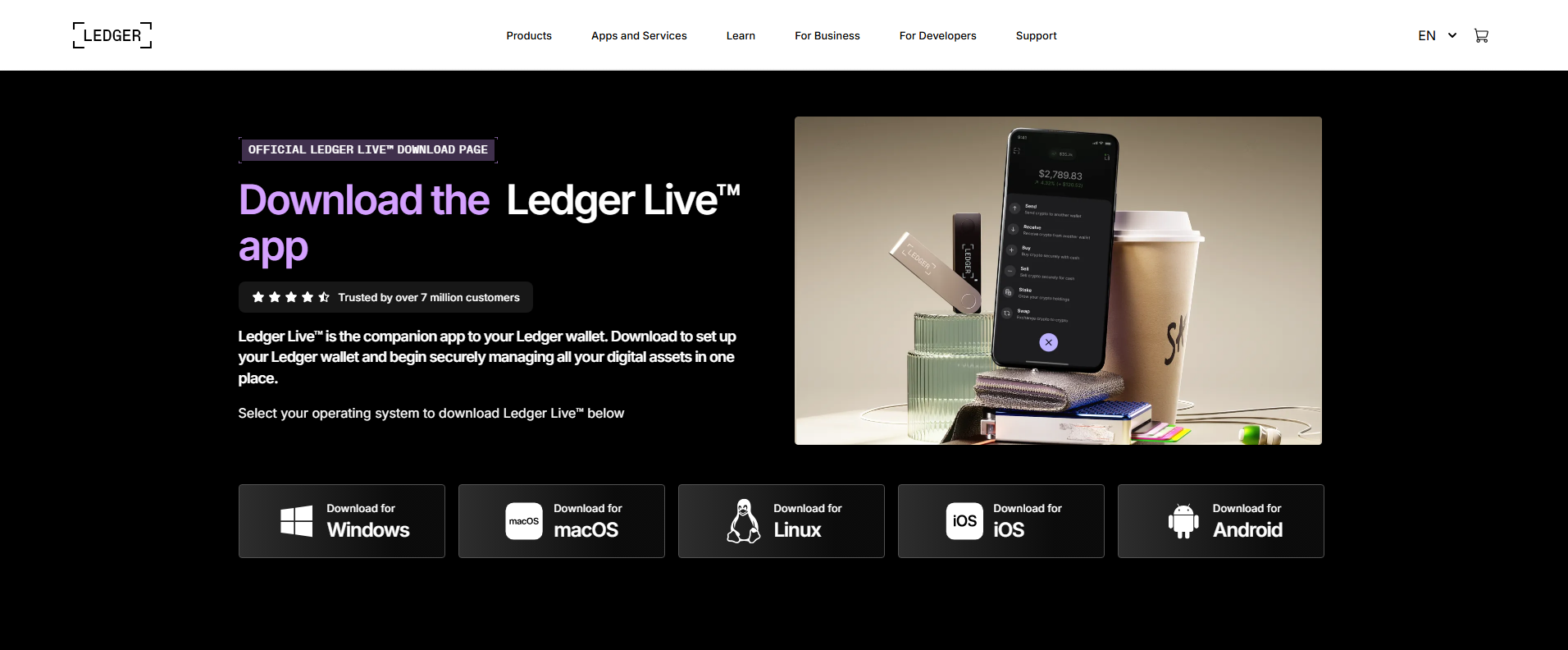
Depending on your device and operating system, follow the official instructions for installing Ledger's companion software. The application provides tools for interacting with your Ledger hardware wallet and managing supported cryptocurrency accounts.
Only obtain wallet software through trusted official channels. Avoid downloading applications from random websites, file-sharing pages, or links sent by unknown individuals.
Initialize Your Hardware Wallet
Connect your Ledger device and follow the instructions displayed on the hardware wallet itself. If the device is new and you are creating a new wallet, complete the new-device initialization process.
Pay attention to every instruction displayed on the physical device. Never allow another person to dictate sensitive setup information to you.
Set a Strong PIN
A PIN provides protection for the physical hardware wallet. Select a PIN that you can remember but that another person would not easily guess.
Never disclose your PIN to someone claiming to provide technical support. Genuine support should not require you to hand over confidential wallet credentials.
Record Your Recovery Information
During setup, carefully record the recovery information generated for your wallet. Write it down accurately and preserve the original order.
This step deserves particular attention because losing the backup information can create serious problems if you later need to recover access. Conversely, anyone who obtains the recovery phrase may potentially gain control of the associated assets.
For that reason, never send the phrase through email or messaging services, and never provide it to a stranger.
Managing Accounts After Setup
After your Ledger device has been initialized, you can use the companion software to install supported blockchain applications and add the accounts you need.
When receiving funds, verify important address information carefully. When sending cryptocurrency, review the destination address and transaction details before approving the operation on your hardware wallet.
Remember that cryptocurrency transactions can be difficult or impossible to reverse after confirmation. Careful verification is therefore an important part of responsible wallet management.
Avoid These Common Setup Errors
Several mistakes are particularly risky for new hardware-wallet users. Never use a recovery phrase supplied by another person. Never enter your recovery phrase into a suspicious website. Do not trust messages claiming that your account requires an urgent security update.
You should also be cautious about fake customer-support accounts. Scammers may use social media, email, or messaging platforms to impersonate wallet companies and request confidential information.
If someone asks for your recovery phrase, treat that request as a serious warning sign.
Final Thoughts
A successful Ledger wallet setup is about more than installing software. The real goal is to create a secure environment for managing digital assets while understanding how your device and recovery information work.
Using Ledger.com/start as your starting point, follow official setup instructions carefully, protect your PIN, keep your recovery information offline, and verify transactions before approving them.
Good security habits established during the first setup can continue protecting your wallet throughout its use. Take your time, verify what you are doing, and never share confidential recovery information with anyone.
Updated about 4 hours ago